Chihuahua strengthens its mining sector with formal employment by 2025
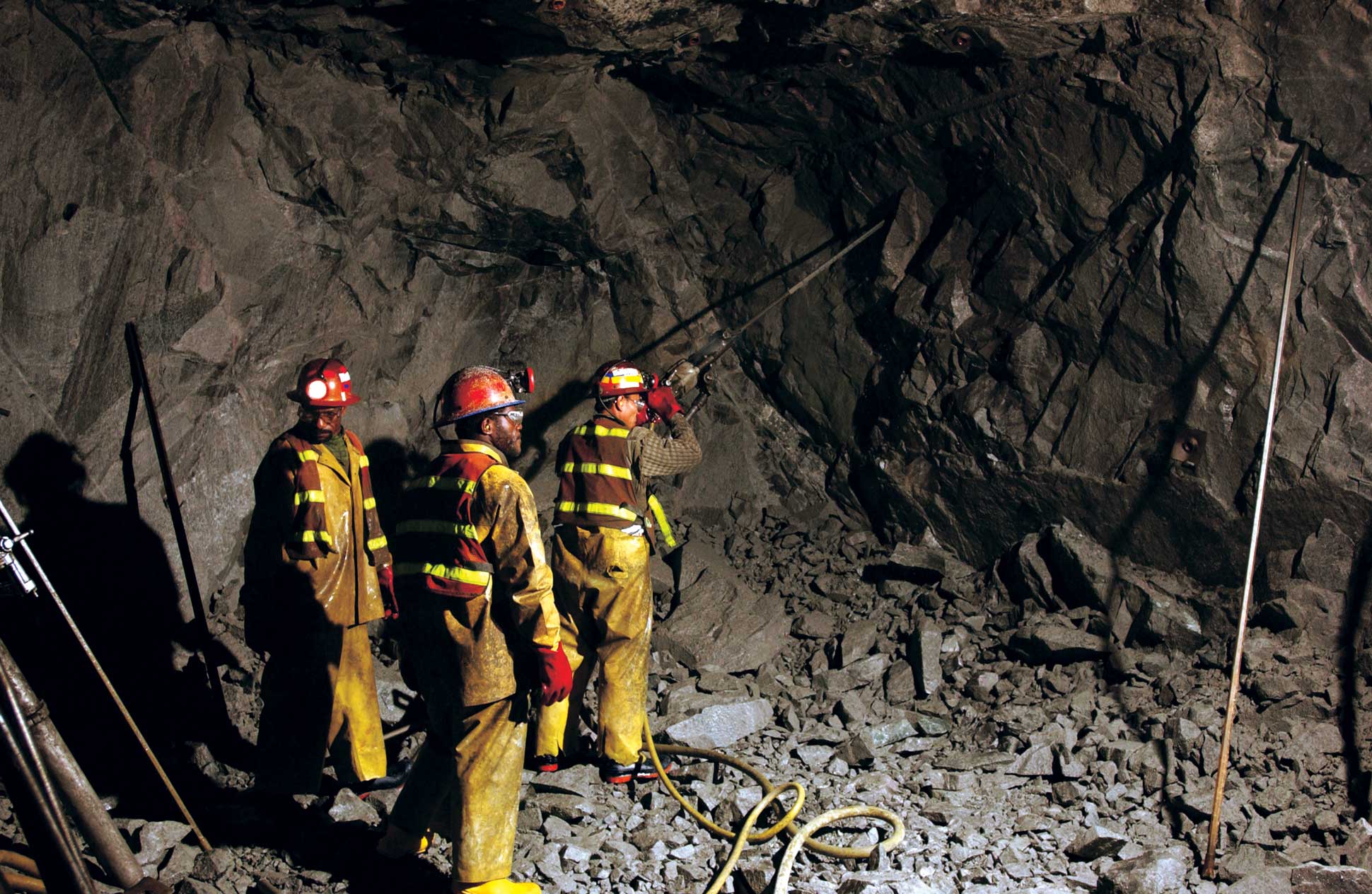
The mining industry in the state of Chihuahua recorded growth in both formal employment and wage levels over the last year, as between December 2024 and December 2025, the number of affiliated workers rose from 10,386 to 10,581, representing an increase of 195 formal jobs.
During the same period, the average daily wage in the sector also increased, rising from 957.27 pesos to 1,000.17 pesos.
This is according to records from the Center for Economic and Social Information (CIES), based on data from the Mining and Metallurgical Industry Survey conducted by the National Institute of Statistics and Geography (INEGI) and the Mexican Social Security Institute (IMSS).
The mining industry in Chihuahua closed 2025 with more than 10,500 formal jobs and an average daily wage of over 1,000 pesos, reflecting mixed performance throughout the year: annual growth, but with monthly ups and downs in both jobs and wages.
Compared to December 2024, when there were 10,386 jobs and an average daily wage of 957.27 pesos, the sector generated 195 new formal jobs in one year. This represents a 1.8 percent increase in employment. In terms of wages, the increase was 42.90 pesos per day, equivalent to an annual increase of close to 4.5 percent.
However, monthly performance during 2025 showed variations. The highest number of jobs was recorded in November, with 10,819 workers, while the lowest level was in January, with 10,340 jobs. Starting in the first quarter, a recovery trend was observed, which consolidated in the second half of the year, although December closed below the peak reached in November.
In general terms, CIES data shows that mining in Chihuahua remained stable and experienced moderate growth in 2025. Although there were monthly fluctuations, the annual balance was positive in terms of both formal job creation and wage improvements, consolidating the sector as one of the state’s productive pillars.