TSMC speeds up Arizona chip production amid AI boom
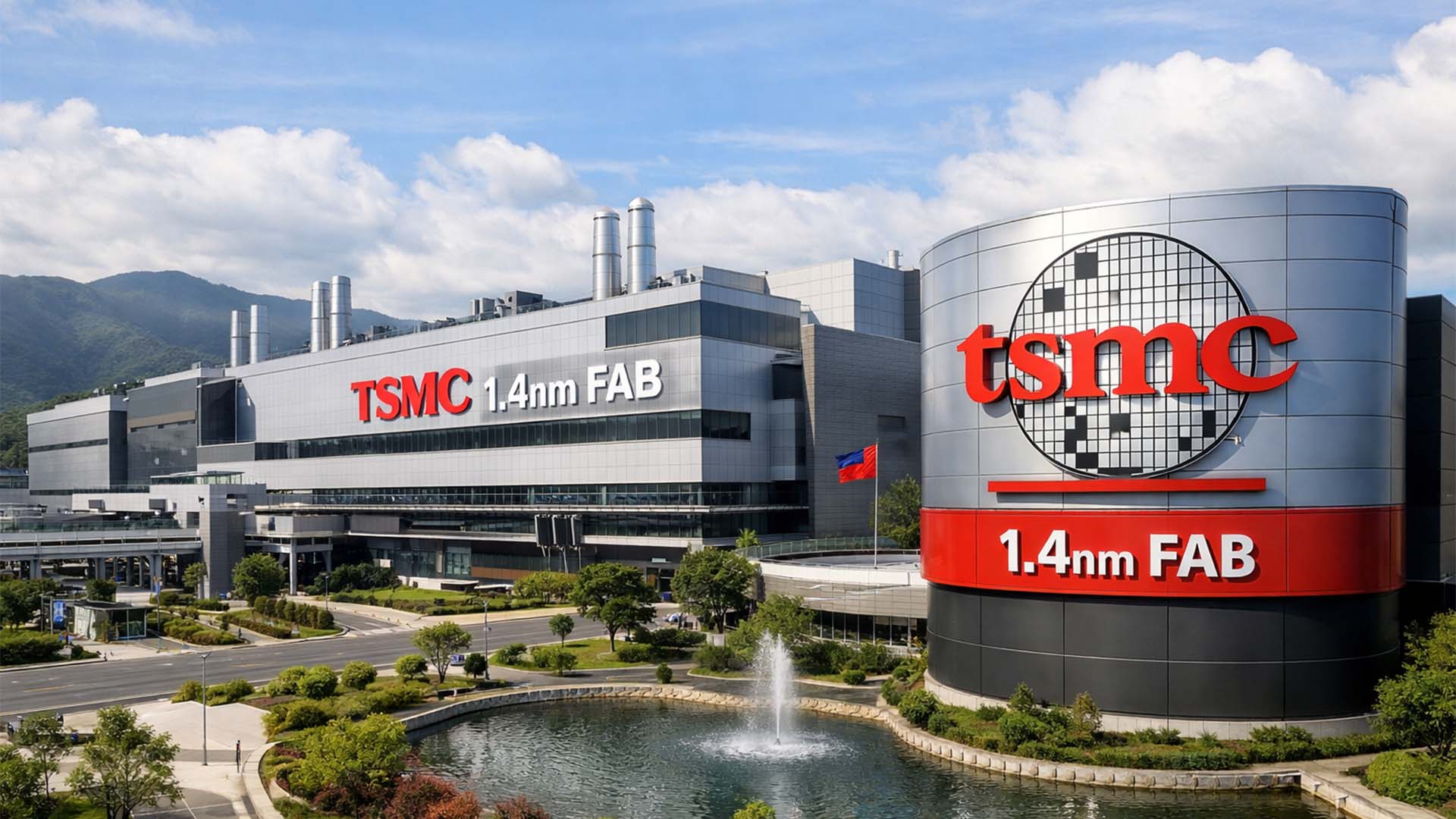
Taiwan Semiconductor Manufacturing Company is ramping up its investment in the United States, accelerating development at its semiconductor facilities in Arizona as global demand for advanced chips continues to surge—particularly those used in artificial intelligence.
Company executives say the AI-driven market is “extremely strong,” prompting TSMC to boost capital spending and move up key production timelines. The shift reflects the growing need for high-performance chips used in data centers, machine learning systems, and next-generation consumer technologies.
A major milestone is the company’s second fabrication plant in Phoenix, which is now expected to begin producing 3-nanometer chips in the second half of 2027—earlier than originally planned. These chips represent some of the most advanced semiconductor technology currently in development and are critical for powering cutting-edge AI applications.
TSMC’s Arizona expansion is part of a broader strategy to diversify manufacturing beyond Taiwan and position production closer to major U.S.-based clients, including leading tech firms. It also aligns with efforts to strengthen global semiconductor supply chains after recent disruptions exposed vulnerabilities in chip production and distribution.
The Arizona site is expected to become one of TSMC’s most important manufacturing hubs outside Asia. The company plans to build multiple fabrication plants capable of producing increasingly sophisticated chips, with future technologies such as 2-nanometer processes already on the roadmap.
The initiative is also supported by U.S. government policies aimed at boosting domestic semiconductor manufacturing, including incentives under the CHIPS and Science Act, which seeks to reduce reliance on overseas production in a strategically vital industry.
With these developments, TSMC is reinforcing its position at the center of the global semiconductor race, where speed, scale, and technological advancement are becoming decisive factors in shaping the future of AI and computing.
Related posts: