Metro Phoenix records historic surge in industrial real estate investment
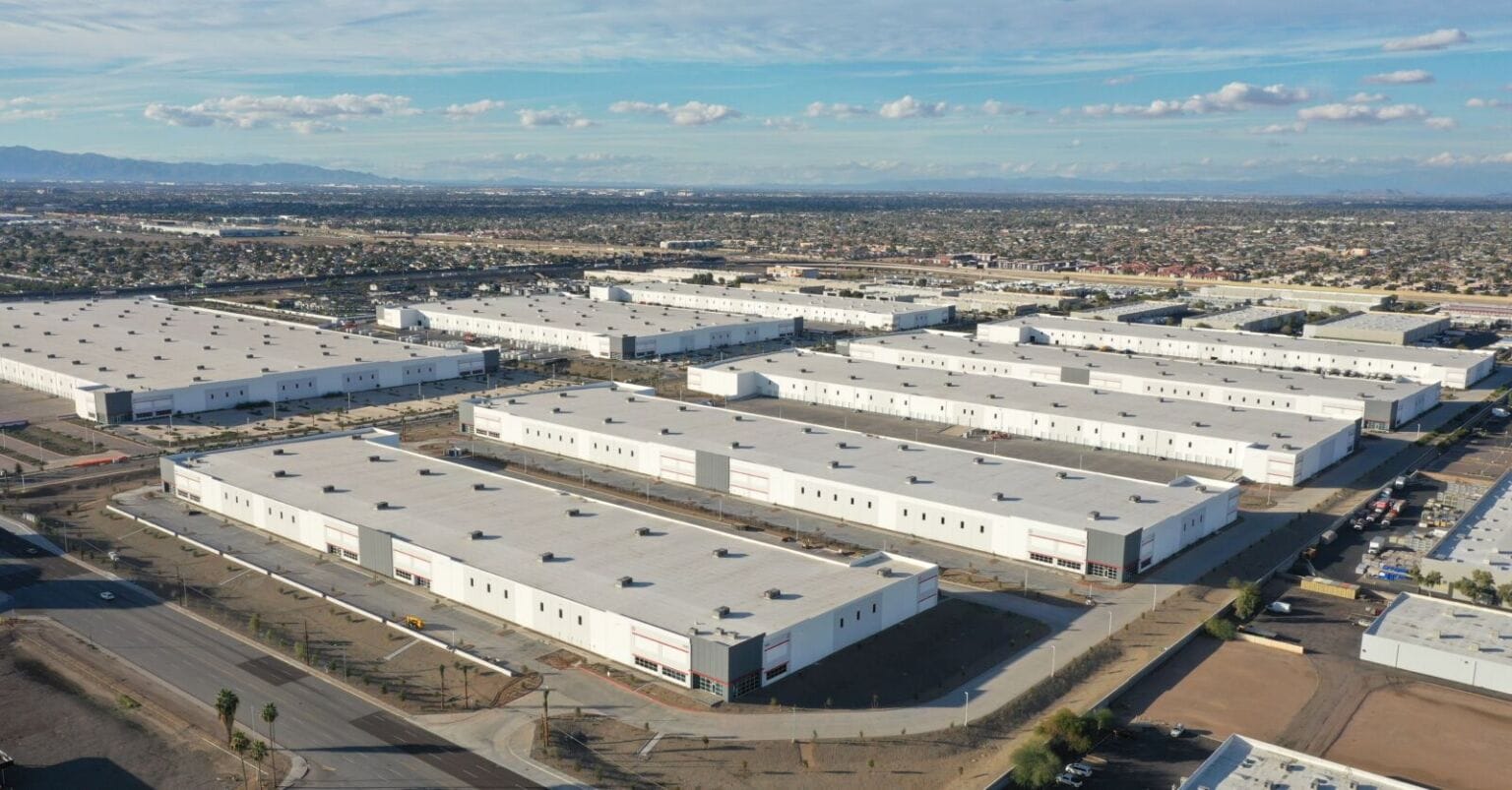
Metro Phoenix’s industrial real estate sector delivered a record-breaking performance in early 2026, posting its strongest quarter of investment activity to date as demand for logistics and manufacturing space continues to accelerate.
The surge reflects growing investor confidence in the region, which has become one of the top industrial markets in the United States. A combination of strong population growth, expanding infrastructure, and a wave of high-tech manufacturing projects has driven capital into large-scale warehouse and distribution properties.
Much of the momentum is tied to the rapid expansion of the semiconductor industry and related supply chains. Major developments connected to chip manufacturing have transformed Phoenix into a key hub for advanced manufacturing, attracting both domestic and international investors looking to secure long-term positions in the market.
Recent data shows that leasing activity and space absorption remain robust, even as new construction slows after several years of aggressive development. In the first quarter of 2026 alone, industrial leasing reached roughly 7.5 million square feet, while net absorption totaled about 4.4 million square feet—clear signs of sustained tenant demand.
At the same time, a slowdown in new project deliveries—down more than 80% year over year—has helped stabilize the market and tighten vacancy rates. This shift suggests the sector is transitioning from rapid expansion to a more balanced phase focused on absorbing existing inventory.
Rents have continued to rise alongside demand, with industrial space commanding higher prices across the metro area. Key submarkets such as Glendale, Chandler, and Goodyear have led growth, driven by logistics operators and advanced manufacturing tenants.
Analysts say Phoenix’s industrial boom is also being fueled by billions of dollars in technology investment, particularly in semiconductors, which has positioned Arizona as a national leader in the sector. Since 2020, the state has attracted tens of billions in new projects, reinforcing long-term demand for industrial space.
Looking ahead, the outlook for Metro Phoenix remains strong. While construction activity may remain more measured in the near term, continued investment, rising rents, and a steady pipeline of high-tech projects are expected to sustain the region’s position as a powerhouse for industrial real estate growth.
Related posts: