Coahuila and Nearshoring: Industrial Opportunity and Private Sector Challenges in 2026
In a global environment defined by the reconfiguration of supply chains, nearshoring has solidified itself as one of the main drivers of industrial transformation in Mexico. The relocation of operations closer to the United States has opened an opportunity for northern Mexican states, including Coahuila, which aims to position itself as a strategic hub for manufacturing, logistics, and specialized services.
Nearshoring can reduce logistics costs by up to 30 % and significantly shorten delivery times — key factors for industries that depend on operational efficiency and proximity to final markets.
In this context, Coahuila’s geographic location, its connectivity with the United States, and its established industrial tradition are considered valuable assets for attracting investment. However, experts agree that taking full advantage of this trend does not happen automatically.
Business leaders and private sector actors say the real impact of nearshoring will depend on the state’s ability to strengthen infrastructure, develop a skilled workforce, and improve institutional coordination. Local entrepreneurs emphasize that relocating operations is not just a logistical matter — it also represents a historic opportunity for the region, requiring functional and sustainable industrial ecosystems.
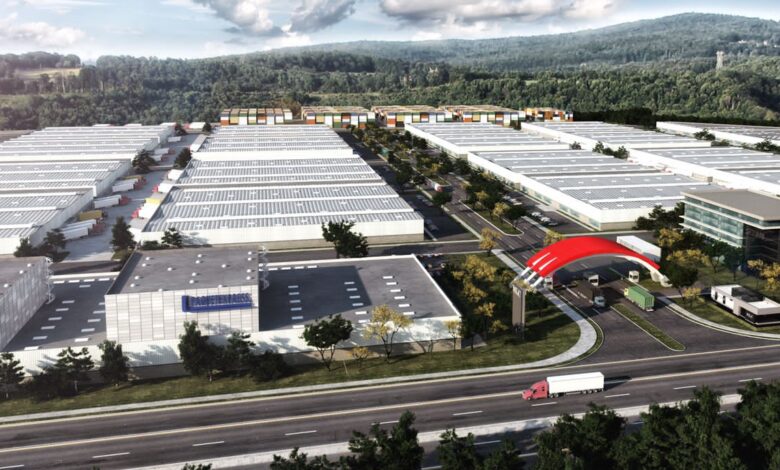
A key challenge for regions seeking to capitalize on nearshoring is logistics and industrial infrastructure. Industrial parks, distribution centers, road connectivity, and reliable energy services are essential to compete for long-term investments. Without these elements, companies may shift their interest to other regions with better infrastructure.
The local business community has promoted projects like logistics parks and special economic zones to attract investment, stressing that adequate infrastructure could significantly boost regional economic growth.
Workforce training directly impacts productivity, with potential gains when training programs align with industry needs. This has made technical education, dual training models, and stronger links between universities and companies central to the discussion.
Industry leaders also emphasize that coordination among companies, local governments, and educational institutions will be crucial to sustaining growth beyond the short term. Nearshoring is seen not just as a short-term trend but as a structural opportunity — provided it is supported by strategic investment and long-term development vision.
Another emerging topic in the nearshoring discussion is sustainability. The arrival of new industries raises questions about the social, environmental, and urban impacts of productive projects. As a result, economic growth is increasingly evaluated not only by its effect on GDP but also by its ability to generate quality jobs, well-being, and balanced regional development.
For states like Coahuila, the challenge will be to turn nearshoring into a catalyst for comprehensive development rather than a temporary phenomenon. As of early 2026, nearshoring remains one of Mexico’s largest economic opportunities, but its real impact will be determined by the execution capacity of both public and private actors.
Related posts: