Coahuila Industry Hit by Blockades
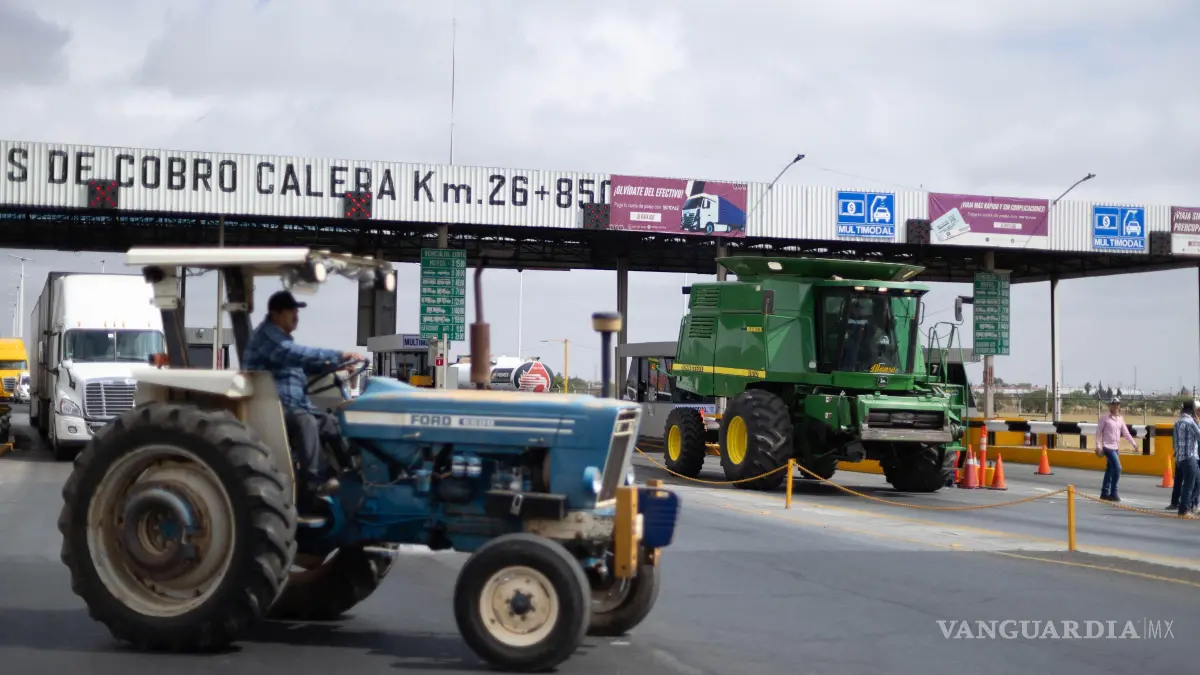
Business leaders in Coahuila are anticipating disruptions to industrial activity as nationwide protests and road blockades led by transporters and farmers affect supply chains across the country.
According to representatives from the private sector, companies in the southeastern region of the state could see production declines ranging from 2% to 5%, along with increases of up to 10% in logistics costs. The impact is expected despite the absence of blockades within Coahuila itself, highlighting the state’s strong integration with national and international supply chains.
Arturo Reveles, president of the local chapter of the National Chamber of the Transformation Industry (Canacintra), explained that the region’s manufacturing sector is particularly vulnerable due to its reliance on just-in-time operations and export-oriented production. More than 80% of output is tied to foreign markets, primarily under the USMCA framework, making timely transportation of goods critical.
The ongoing protests—driven by demands related to insecurity on highways, rising fuel costs, and lack of government support—have triggered road closures in multiple states, disrupting freight movement and increasing delivery times.
Industry leaders warned that even short-term disruptions can force companies to adjust production schedules, reorganize assembly lines, and prioritize orders depending on available components. While larger manufacturers may rely on limited inventory buffers, prolonged blockades could escalate into more severe operational interruptions.
At the national level, business organizations estimate daily losses of hundreds of millions of pesos due to halted transport and supply chain bottlenecks, underscoring the broader economic risk of continued disruptions.
Despite expressing understanding for the transport sector’s grievances, industry representatives emphasized the need for dialogue to resolve the conflict, warning that continued blockades could undermine Mexico’s manufacturing competitiveness and export reliability.
Related posts: