Corpus Christi refineries seek alternative water amid crisis
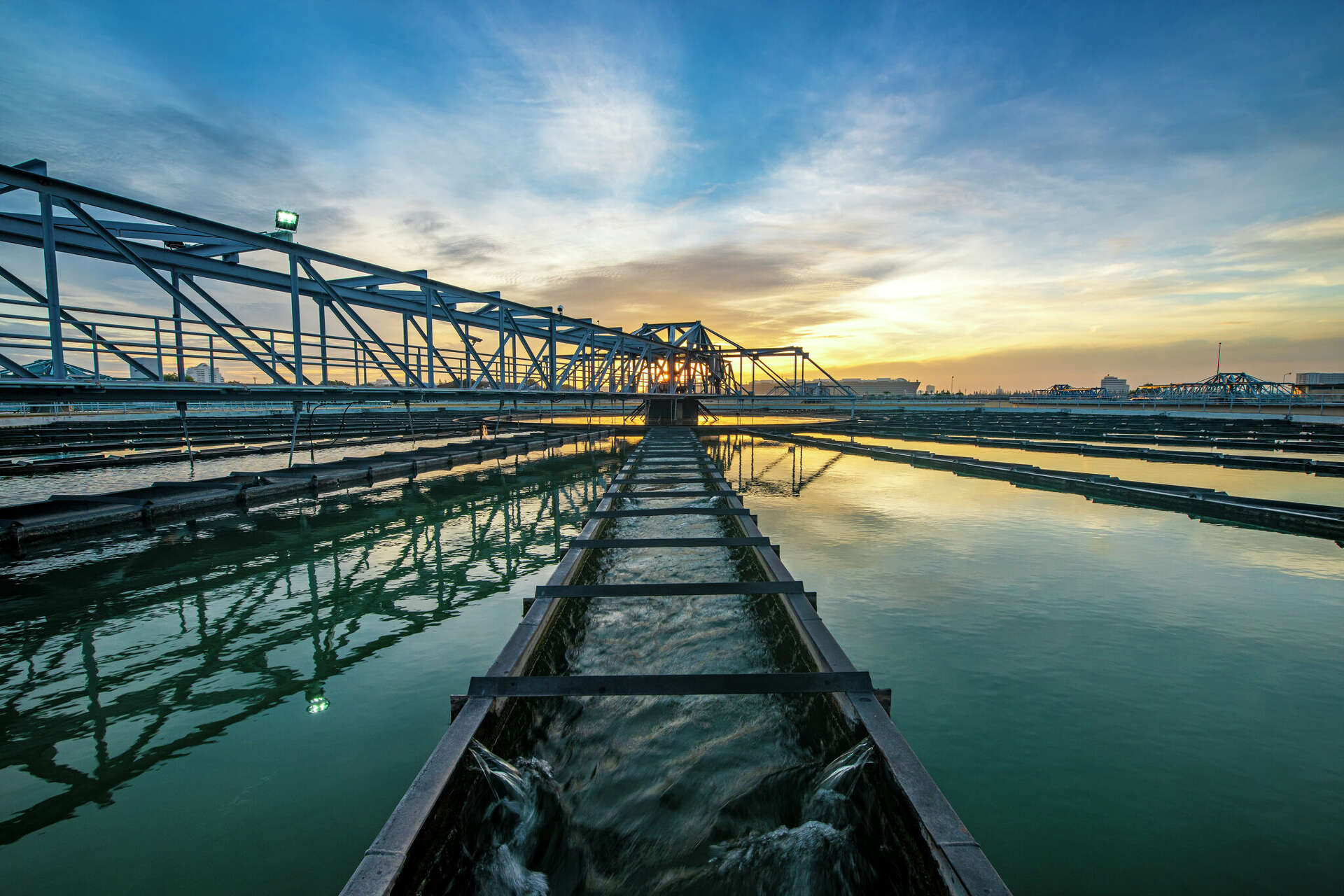
A growing water shortage in Corpus Christi is putting pressure on one of the United States’ most important energy centers, raising concerns about potential impacts on fuel supply and prices.
Home to a major concentration of oil refineries and export terminals, the coastal city produces around 5% of the nation’s refined fuels, including gasoline and jet fuel. However, prolonged drought conditions and rising industrial demand have pushed local water reserves to critical levels, forcing authorities and companies to seek urgent solutions.
Energy companies operating in the region are now working to secure alternative water sources to sustain operations. Without sufficient supply, refineries could be forced to slow production, shut down units, or operate at reduced capacity—scenarios that could disrupt fuel availability across Texas and beyond.
The situation has broader economic implications. Experts warn that any disruption in refining or export activity at the Gulf Coast hub could ripple through supply chains, affecting jobs, regional revenue, and energy markets nationwide.
Local officials have cautioned that the city could enter a formal water emergency within months. If conditions worsen, available water may no longer meet demand shortly after, intensifying pressure on both residents and industry.
The crisis is being driven by a combination of long-term drought and rapid industrial expansion, particularly in oil refining and liquefied natural gas infrastructure. As demand continues to grow, the challenge of balancing economic development with limited natural resources is becoming increasingly urgent.
With global energy markets already facing volatility, the unfolding situation in this key Texas hub could add further uncertainty to fuel prices and supply in the months ahead.
Related posts:
 NADBank Water Fund Gets 21 Financing Requests
  NADBank launches US$400-million Water Resiliency Fund to support water conservation and diversification in the U.S.-Mexico border region
  CFE and maquiladora industry seek to guarantee electricity supply in Juárez
  Juárez’s Industrial Market Closes 2025 with Strong Absorption and Rising Vacancy