Tamaulipas and Texas Boost Industrial Activity
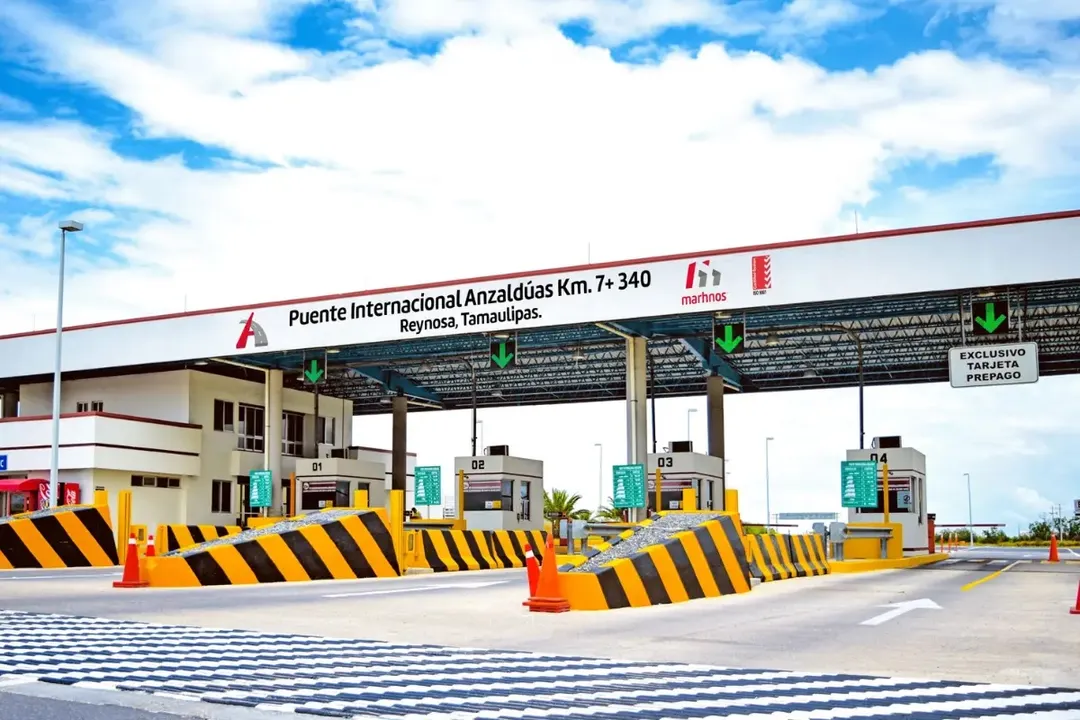
Economic cooperation between northern Tamaulipas and southern Texas has become a key factor in positioning the region among the fastest-growing industrial areas in the country.
“Manufacturing has been present in that area since 1960, particularly in the automotive industry, and we have a significant industrial presence there, but we’ve never promoted it,” said Adam González, executive director of the Council for the Economic Development of South Texas (COSTEP).
“Our greatest export is talent. That talent is leaving us. People are getting an education here or going elsewhere to study, but they don’t come back because we lack the high-tech manufacturing companies needed to retain them,” he said.
Five years ago, COSTEP therefore decided to promote the region as a hub for advanced manufacturing. Although the local economy has traditionally relied on retail and ecotourism, the organization is pursuing a deliberate strategy to transition toward higher-value-added industries, González added.
Companies in the region operate under the “twin-plant concept,” in which labor-intensive manufacturing operations are located on the Tamaulipas side of the border, while logistics, warehousing, and distribution facilities can be established in South Texas. “It is the same company with a binational structure,” he explained.
“The border region between Tamaulipas and Texas is unlike any other. We are neither the interior of Mexico nor the interior of the United States. We have a neighboring region where more than 90 percent of the people on both sides speak Spanish. They also speak English, and then there’s a third language we call Spanglish,” he said.
González described a cross-border social fabric in which residents routinely travel between the two countries to study, work, or access services—a dynamic that “has existed for hundreds of years.” The goal now, he said, is to build on that longstanding relationship to attract more high-tech manufacturing and create jobs for residents of South Texas and northern Tamaulipas.
Related posts: