Juárez Maquiladoras Face Environmental Backlog
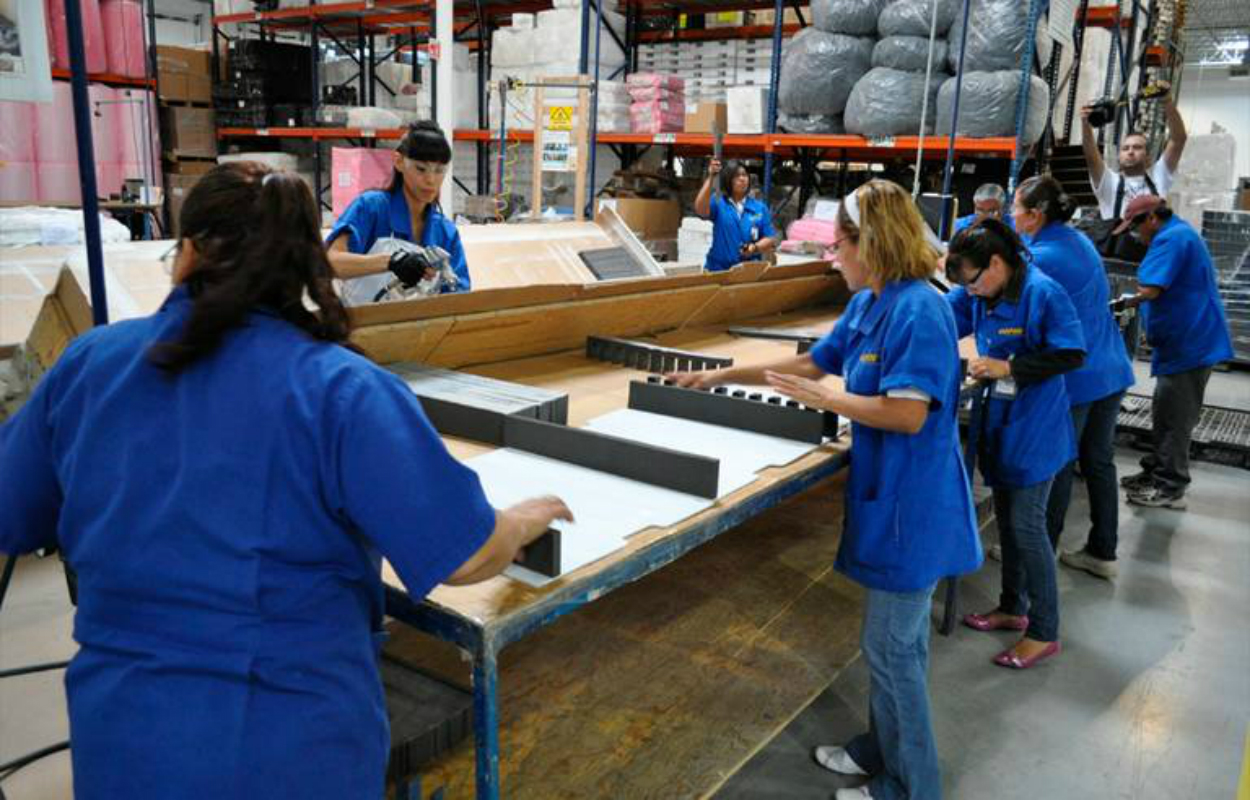
Environmental compliance remains a major challenge within Ciudad Juárez’s manufacturing sector, as only about 31 percent of maquiladora plants currently operate with approved environmental impact resolutions, highlighting gaps in regulatory coverage across the city’s industrial base.
Despite the large number of factories that sustain the local economy and employ thousands of workers, most facilities reportedly lack complete environmental authorization documents designed to evaluate and reduce ecological risks linked to industrial operations. These approvals are meant to assess air emissions, waste management practices, water consumption, and potential long-term effects on surrounding communities.
Environmental specialists warn that limited oversight may increase the likelihood of pollution affecting nearby neighborhoods, particularly where industrial parks are located close to residential areas. Concerns include air quality deterioration, soil contamination, and improper handling of hazardous materials.
While many manufacturing companies follow internal environmental policies and international standards, local regulations still require formal government authorization to guarantee transparency and accountability. Without these permits, authorities face difficulties enforcing corrective actions or requiring improvements when problems are detected.
Analysts note that improving compliance would not only protect public health but could also strengthen the city’s industrial reputation, reduce legal exposure for companies, and support more sustainable economic growth in the long term.
Related posts: